
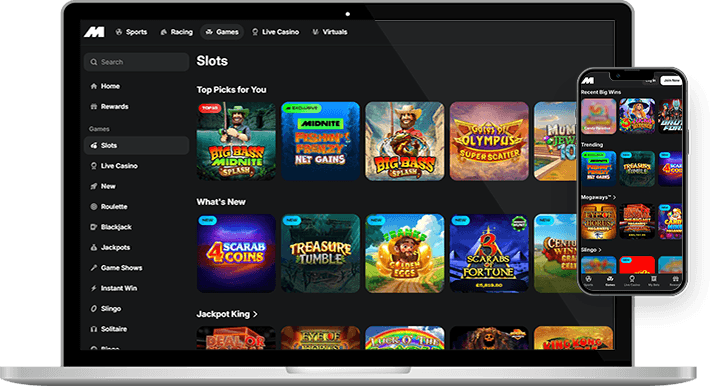
Otto Casino runs on data. Every spin, shuffle and bet drives a system that evolves and adjusts. The platform gathers real‑time streams to shape how games are presented, what players view and how the casino secures its community. Instead of speculation or a static rulebook, the team depends on behavioural patterns, transaction logs and machine learning models to improve what’s on offer, catch anomalies and anticipate what players want next. That transforms a traditional pastime into a responsive ecosystem where each interaction enhances the feedback loop. For UK players familiar with transparency and digital smarts, the commitment to data‑driven decisions provides a mix of security, personalisation and fairness that sets a high bar for modern casinos. Behind the scenes, dedicated data teams watch session metrics, payment flows and game‑performance indicators, guaranteeing every algorithmic tweak serves a real purpose. The result is a platform that develops with its users, making informed choices that enhance the fun without ever compromising integrity.
Real-Time Analytics for Enhanced Game Performance
Otto Casino uses real‑time analytics to monitor game performance metrics like return‑to‑player rates, session durations and bet frequency. By aggregating anonymised data from thousands of concurrent sessions, the platform spots which titles resonate most with different player segments. If a slot’s engagement drops unexpectedly, the analytics team can investigate technical issues or volatility perceptions before players even notice. This data‑driven curation does not affect the inherent randomness of the games, which are still governed by certified random number generators, but it keeps the lobby fresh and aligned with genuine demand. Suppliers receive aggregated feedback, assisting studios fine‑tune future releases. In a market flooded with hundreds of new slots every month, letting hard numbers guide the showcase cuts clutter and helps UK players discover games that fit their playing style. That feedback loop between player behaviour and lobby presentation shows how data quietly refines the entertainment experience.
The Role of A/B Testing in User Experience
Every component of the Otto Casino layout, from button placement to promotional banner wording, undergoes thorough A/B testing to find the most straightforward user journey. Data teams divide visitors between two variants and track click‑through rate, time to first deposit and site flow. The results inform step-by-step updates that create a noticeably smoother experience. Unlike the random tweaks seen on some sites, Otto Casino’s testing is methodical: each experiment answers a specific usability question. For UK players used to streamlined, fast digital services, these small improvements eliminate friction without being noticed. Better load times, smarter search and sharper game categorisation all come from data, not guesswork. Even responsible gambling prompts are tested for tone and timing so they work well without feeling intrusive. This culture of refinement highlights how data‑driven decisions reach all aspects of the experience.
Responsible Gaming Measures Driven by Data
Responsible gaming tools aren’t a later addition at Otto Casino. They are integrated into the data infrastructure, tracking deposit frequency, session length and signs of chasing. When patterns deviate from a player’s historical baseline, the system can trigger a non‑intrusive notification, offering a reality check or recommending a short break. Predictive models trained on anonymised datasets associate certain behaviours to potential harm, then produce gentle alerts. The goal is not to reduce entertainment but to put up guardrails before a recreational activity escalates. All alerts follow UK Gambling Commission guidelines, and human review is available for flagged accounts to ensure fairness. The platform also integrates with GamStop and gives customisable deposit limits, all influenced by the same data streams that drive the https://www.reddit.com/r/memphis/comments/1b6u4io/closest_casino_with_texas_hold_em/ gaming experience. By using analytics as a shield rather than a pure profit engine, Otto Casino shows that a data‑driven model can put player welfare first. The integrated welfare tools run silently and only activate when necessary.
Spotting Fraud and Collusion within Live Casino
Live dealer games present specific monitoring challenges because human interaction can mask coordinated play. Otto Casino uses real‑time data analysis to detect irregular betting patterns that might point to collusion or advantage abuse. Algorithms match individual moves against statistical norms for certain game types, marking deviations for review by specialized security analysts. In live blackjack, for example, simultaneous suspicious bet adjustments across multiple seats can initiate an alert within seconds. The system also cross‑references IP geolocation, device fingerprints and transaction histories to uncover multi‑accounting or bonus misuse. Every investigation adheres to strict data protection protocols, with personal information segmented to prevent unwarranted exposure. UK players get an environment where fair play is enforced by intelligent pattern recognition that honors privacy while preserving integrity. The result is a trustworthy live casino floor where genuine customers enjoy real interaction without a shadow of manipulation. That fosters genuine confidence in the platform’s commitment to honest gaming.
Data Privacy and Ethical Standards
Otto Casino operates within the strict structure of UK GDPR and the Data Protection Act 2018, so all data management is clear and compliant. Player data is anonymised wherever feasible for analysis, with raw session data cleared of personally identifiable elements before it enters any machine learning system. The casino never transfers data to third parties, and all marketing relies on explicit approval. A dedicated data protection officer oversees compliance, and regular audits check that internal practices match policy. Beyond legal musts, the casino handles gambling data with the extra care its sensitivity demands. It publishes clear, accessible privacy notices that explain exactly what is collected and why, giving users in charge of their options. This devotion to privacy doesn’t hold back the data‑driven functions; it establishes trust. When players recognise their data is used only for service and security, they participate assuredly, relying on the accountability behind the platform.
Individualisation Through Machine Learning
Machine learning digs into historical play patterns and session context without ever storing identifiable sensitive data. When a player comes back, the system suggests games that share similar mathematical profiles or themes they liked before. This recommendation engine operates like those used by streaming services, but it is tuned for gambling, factoring in volatility tolerance and preferred bet sizes. The personalisation layer never prescribes what someone should play; it just reduces the effort of navigating a large catalogue. Importantly, Otto Casino’s model continuously learns from aggregate trends, so a shift in the broader player base’s tastes can gently steer individual suggestions over time. UK users stay in full control, able to dismiss recommendations or clear their interest profile at any point. By blending behavioural data with a respect for autonomy, the casino keeps a service‑first approach that avoids the manipulative pitfalls sometimes tied to algorithmic curation.
Common Questions
In what way does Otto Casino use my gaming data?
Otto Casino makes anonymous your gaming data prior to usage. Session details, game preferences and your browsing patterns aid optimize the game lobby, personalize recommendations and power the responsible gambling tools. No personal identifiers are inserted into the training models. Everything is geared toward a better, safer experience—never at manipulating outcomes or exploiting behaviour.
Can data analytics impact the outcome of a game?
No. Every outcome is determined by certified random number generators, checked and audited regularly. Analytics determine only what you see around the game—which titles get promoted, when a reality check triggers. The actual randomness of each spin or card is never altered the data systems.
What personal information does Otto Casino collect for data analysis?
Only non-sensitive session data—game names, bet sizes, your play duration, device type—goes into analytics https://palaceofchance.eu.com/. Your name, address and payment details are saved separately and never touch the recommendation engine. The casino keeps data collection to a minimum and anonymises whatever it is able to.
Are my details shared with third-party advertisers?
No. Otto Casino refrains from selling or provides personal data to third‑party advertisers. Any marketing you receive is based on your consent and managed in‑house. Data is provided only with essential service providers, under tight agreements, for tasks like payment processing or compliance.
How exactly does the casino spot problem gambling behaviour?
Predictive models follow how you fund your account, how long sessions last and any abrupt shifts in behaviour. When the data points to a potential problem, the system triggers a reality check or suggests a break. These triggers happen early, in line with UK Gambling Commission requirements, and staff assess flagged accounts for extra equity.
Can I refuse data collection entirely?
You can restrict non‑essential data collection through your account’s privacy settings. Basic transaction and session records are kept for legal and anti‑fraud reasons. Turning off analytics might mean fewer personalised offers, but everything else—games, deposits, payouts—works normally.
Which protections protect the data infrastructure?
Encryption, firewalls and tight access controls safeguard all data. Regular penetration tests and compliance audits validate the infrastructure meets UK data protection standards. A dedicated security team keeps an eye out for breaches, and data lives in secure, audited environments backed up with full redundancy.